


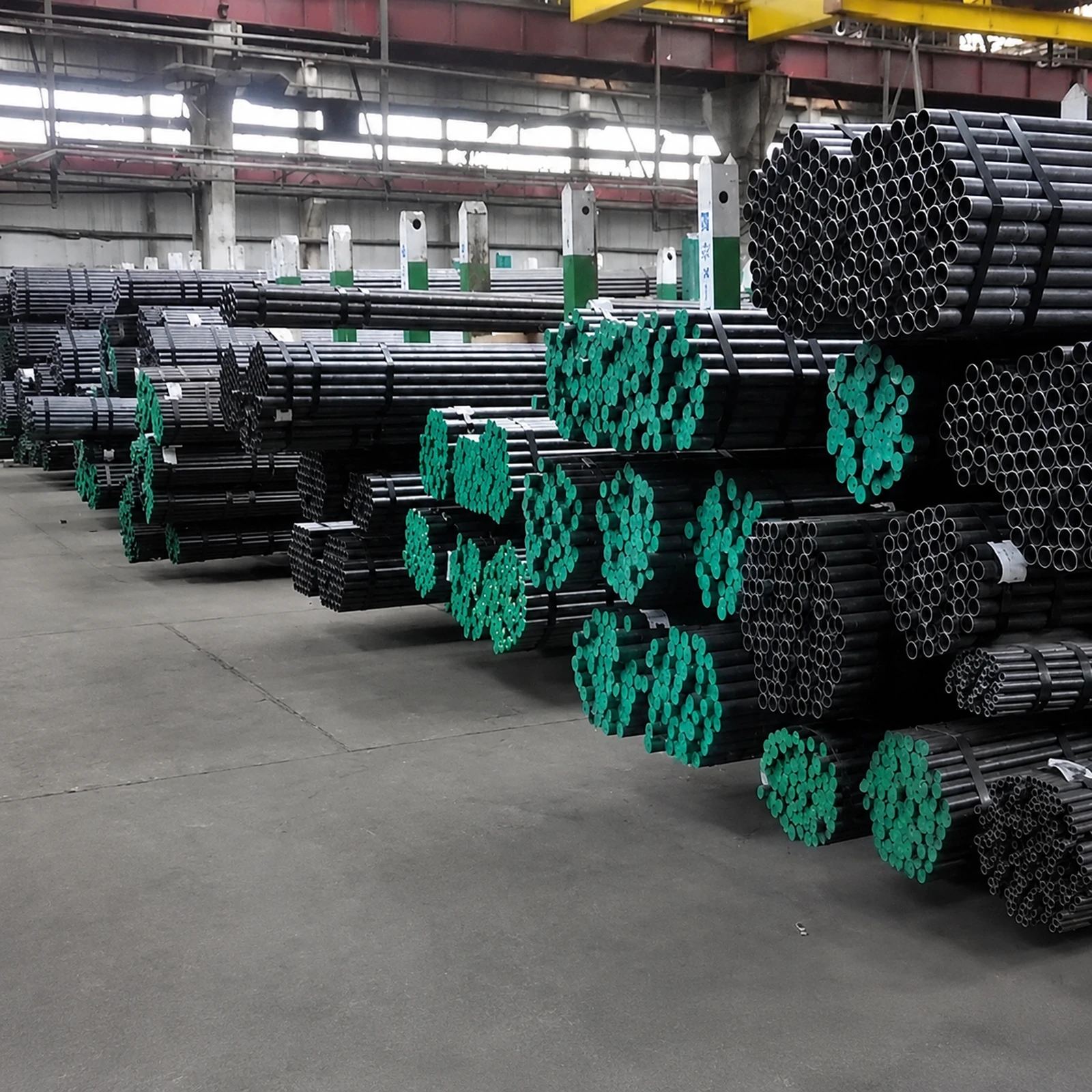
Buyer reference tool
Steel Pipe Size and Schedule Selection Reference
Nominal pipe size and schedule are naming systems, while outside diameter and wall thickness are physical dimensions. A buyer should move between those terms without treating the table as a pressure calculation. Use the reference to identify a dimensional starting point, then confirm the exact standard table, tolerance, grade, service, and engineering basis.
SSR reference
Start with the published comparison
| NPS | Outside diameter | Schedule examples | RFQ note |
|---|---|---|---|
| 2 | 60.3 mm | 40, 80 and other standard-listed walls | State actual wall and standard instead of schedule alone |
| 4 | 114.3 mm | 40, 80 and other standard-listed walls | Confirm OD tolerance, wall tolerance, ends, and process |
| 6 | 168.3 mm | 40, 80 and other standard-listed walls | Confirm product standard and dimensional table edition |
| 12 | 323.9 mm | Multiple listed schedules and project-specific walls | Large diameter orders often use explicit OD and wall values |
Selection logic
- 1.Choose the dimensional standard and nominal size, then read the matching outside diameter from that standard.
- 2.Select a schedule or explicit nominal wall that exists for the size and product route, and transfer the actual wall value into the RFQ.
- 3.Estimate inside diameter only as OD minus twice the nominal wall. Final bore and mass vary with tolerances, manufacturing, and product requirements.
- 4.Add grade, process, ends, length, tolerance, testing, coating, service, and design review before treating the line item as order-ready.
Limits
- The reference does not provide pressure rating, allowable stress, corrosion allowance, thread engagement, collapse, flow, or code compliance.
- Listed examples are not a complete dimensional standard. The current governing table and product specification control the order.
Error recovery
- If NPS and OD do not match the same standard row, stop and confirm whether the request uses pipe, tube, or a custom OD designation.
- If schedule exists but actual wall is absent, add the wall from the governing table and identify the standard before quoting.
- If calculated inside diameter is zero or negative, correct the units or dimensions and request engineering review.
Continue with application and product owners
Oil and gas line pipe selection
Place dimensions inside the service, process, inspection, and coating specification.
Open ownerAPI 5L carbon steel pipe
Review the registered line pipe product owner.
Open ownerERW, LSAW and SSAW welded pipe
Review welded pipe manufacturing routes and order fields.
Open ownerRFQ requirements
Use the selector with these remaining commercial and technical fields.
- 01
Dimensional standard, NPS and outside diameter
- 02
Schedule and explicit nominal wall thickness
- 03
Grade, product standard, manufacturing process, and service
- 04
Length, ends, dimensional tolerance, test, coating, and marking
- 05
Quantity, destination, handling, certificate, and schedule
Frequently asked questions
Is nominal pipe size the same as outside diameter?
Usually no. NPS is a nominal designation. Each listed NPS maps to an outside diameter in the governing dimensional standard, and several wall schedules can share that OD.
Can schedule determine pressure capacity?
Schedule supplies a dimensional starting point. Pressure capacity also depends on material, temperature, tolerance, corrosion allowance, joint, design factor, code, and the engineering calculation.
Why should an RFQ state both schedule and wall thickness?
The explicit wall reduces ambiguity, helps check the intended table, and supports mass, tolerance, process, and availability review. The governing standard still controls.